' fill='%23cc0935'/%3E%3C/svg%3E)

' fill='%23cc0935'/%3E%3C/svg%3E)
'%3E%3Cg id='Group_1' data-name='Group 1' transform='translate(838.16 96.811)'%3E%3Cpath id='Path_1' data-name='Path 1' d='M13.382.347l-.563,7.2q-.709,8.68-1.336,19.87Q10.847,16.343,9.354.347H.8L5.482,39.063H17.81L21.94.347Zm9.927,38.716h8.115V.347H23.309V39.063Zm11.373,0h14.07V31.314H42.8V22.8h5.07V15.436H42.8V8.095h5.417V.347H34.682ZM73.752.347q-1.6,13.708-2.265,27.5l-.9-14.732Q69.872,2.045,69.706.346H61.28q-1.794,16.432-2.243,26.568l-.829-13.06L57.351.346H49.466L53.1,39.062H63.173q1.779-15.424,2.263-20.3,1.065,11.381,2.455,20.3H78.023L81.636.347H73.754Z' transform='translate(-0.796 -0.346)' fill='%231d1d1b' fill-rule='evenodd'/%3E%3C/g%3E%3Cpath id='Path_2' data-name='Path 2' d='M220.325,39.526h9.387q4.894,0,6.476-.693a4.349,4.349,0,0,0,2.3-2.584,17.387,17.387,0,0,0,.723-5.813V26.846a12.108,12.108,0,0,0-1-5.612,5.875,5.875,0,0,0-3.817-2.619,5.68,5.68,0,0,0,3.383-2.056,9.362,9.362,0,0,0,.858-4.732q0-5.018-1.214-7.276a6.076,6.076,0,0,0-3.19-3,17.414,17.414,0,0,0-5.811-.741h-8.1Zm9.8-31.874a1.5,1.5,0,0,1,.7.92,8.266,8.266,0,0,1,.27,2.546,14.619,14.619,0,0,1-.329,4.173q-.326.729-1.522.73c-.192,0-.462.009-.809.024V7.435a5.146,5.146,0,0,1,1.687.216Zm.55,15.016a6.148,6.148,0,0,1,.424,3.012v3.611a5.622,5.622,0,0,1-.473,2.94,2.983,2.983,0,0,1-2.188.67V22.07q1.811.073,2.236.6ZM252.456.813V29.34a17.806,17.806,0,0,1-.222,3.67.954.954,0,0,1-.993.777.882.882,0,0,1-.9-.705,14.1,14.1,0,0,1-.222-3.24V.813h-8.116V23.721q0,6.551.194,8.6a9.489,9.489,0,0,0,1.252,3.886,7.862,7.862,0,0,0,3.2,2.99,10.286,10.286,0,0,0,4.934,1.147,9.373,9.373,0,0,0,4.385-.969,7.527,7.527,0,0,0,3-2.846,9.45,9.45,0,0,0,1.369-3.658,55.93,55.93,0,0,0,.23-6.181V.813ZM280.907,11a20.617,20.617,0,0,0-.724-6.539,6.269,6.269,0,0,0-2.949-3.193A10.731,10.731,0,0,0,271.849,0a9.864,9.864,0,0,0-4.936,1.16,6.828,6.828,0,0,0-2.958,3.216,17.061,17.061,0,0,0-.916,6.5,16.667,16.667,0,0,0,.646,5.07,8.846,8.846,0,0,0,1.629,3.108,39,39,0,0,0,4.011,3.611,25.408,25.408,0,0,1,3.8,3.515q.752,1.053.752,4.472a5.417,5.417,0,0,1-.4,2.342,1.28,1.28,0,0,1-1.2.789,1.155,1.155,0,0,1-1.128-.621,7.543,7.543,0,0,1-.319-2.8v-4.71H263.29v2.535A24.491,24.491,0,0,0,264,34.911a7.084,7.084,0,0,0,3.017,3.9,9.815,9.815,0,0,0,5.562,1.531,10,10,0,0,0,5.2-1.328,6.8,6.8,0,0,0,3.015-3.288,17.6,17.6,0,0,0,.781-6.1q0-5.69-1.407-8.249t-6.826-6.548a6.74,6.74,0,0,1-2.293-2.368,7.716,7.716,0,0,1-.422-2.919,5.186,5.186,0,0,1,.376-2.25,1.193,1.193,0,0,1,1.108-.742,1.007,1.007,0,0,1,.965.55,6.874,6.874,0,0,1,.289,2.558v2.87h7.537V11Zm3.219,28.527h8.114V.813h-8.114ZM306.832.813V18.245L302.284.813H295.5V39.526h6.785v-17.6l4.221,17.6h7.113V.813Zm10.043,38.713h14.073V31.778H324.99V23.266h5.069V15.9H324.99V8.562h5.418V.812H316.875V39.526ZM350.473,11a20.642,20.642,0,0,0-.724-6.539A6.269,6.269,0,0,0,346.8,1.267,10.743,10.743,0,0,0,341.412,0a9.854,9.854,0,0,0-4.933,1.16,6.828,6.828,0,0,0-2.96,3.216,17.062,17.062,0,0,0-.916,6.5,16.7,16.7,0,0,0,.646,5.07,8.833,8.833,0,0,0,1.63,3.108,38.832,38.832,0,0,0,4.009,3.611,25.288,25.288,0,0,1,3.8,3.515q.753,1.053.752,4.472a5.417,5.417,0,0,1-.4,2.342,1.279,1.279,0,0,1-1.2.789,1.155,1.155,0,0,1-1.128-.621,7.55,7.55,0,0,1-.318-2.8v-4.71h-7.537v2.535a24.45,24.45,0,0,0,.713,6.719,7.078,7.078,0,0,0,3.016,3.9,9.816,9.816,0,0,0,5.562,1.531,10,10,0,0,0,5.2-1.328,6.8,6.8,0,0,0,3.016-3.288,17.62,17.62,0,0,0,.781-6.1q0-5.69-1.406-8.249t-6.826-6.548a6.729,6.729,0,0,1-2.294-2.368,7.716,7.716,0,0,1-.422-2.919,5.171,5.171,0,0,1,.376-2.25,1.192,1.192,0,0,1,1.108-.742,1,1,0,0,1,.964.55,6.853,6.853,0,0,1,.289,2.558v2.87h7.537V11Zm20.414,0a20.667,20.667,0,0,0-.724-6.539,6.274,6.274,0,0,0-2.95-3.193A10.742,10.742,0,0,0,361.825,0a9.856,9.856,0,0,0-4.935,1.16,6.826,6.826,0,0,0-2.959,3.216,17.048,17.048,0,0,0-.915,6.5,16.668,16.668,0,0,0,.646,5.07,8.8,8.8,0,0,0,1.629,3.108,38.884,38.884,0,0,0,4.008,3.611,25.312,25.312,0,0,1,3.8,3.515q.753,1.053.751,4.472A5.419,5.419,0,0,1,363.453,33a1.278,1.278,0,0,1-1.2.789,1.155,1.155,0,0,1-1.128-.621,7.57,7.57,0,0,1-.318-2.8v-4.71h-7.537v2.535a24.45,24.45,0,0,0,.713,6.719,7.075,7.075,0,0,0,3.016,3.9,9.816,9.816,0,0,0,5.561,1.531,9.993,9.993,0,0,0,5.2-1.328,6.8,6.8,0,0,0,3.017-3.288,17.62,17.62,0,0,0,.781-6.1q0-5.69-1.407-8.249t-6.825-6.548a6.737,6.737,0,0,1-2.294-2.368,7.733,7.733,0,0,1-.422-2.919,5.171,5.171,0,0,1,.376-2.25,1.191,1.191,0,0,1,1.108-.742,1,1,0,0,1,.963.55,6.842,6.842,0,0,1,.291,2.558v2.87h7.537V11Z' transform='translate(465.745 96)' fill='%23cc0935' fill-rule='evenodd'/%3E%3Cpath id='Path_3' data-name='Path 3' d='M0,.813V39.526H13.05V31.779H8.115V.812H0Zm18.3,0-4.14,38.714h8.39l.487-6.959h2.9l.435,6.959h8.293L30.026.813Zm4.634,24.892q.318-5.14,1.558-16.259.621,9.683,1.236,16.259ZM47.379.813V18.245L42.83.813H36.044V39.526H42.83v-17.6l4.221,17.6h7.113V.813H47.378Zm28.99,13.181a31.659,31.659,0,0,0-.732-7.987,7.966,7.966,0,0,0-3.066-4.287A9.711,9.711,0,0,0,66.653,0,9.588,9.588,0,0,0,61.98,1.112,8.178,8.178,0,0,0,58.8,4.161a9.993,9.993,0,0,0-1.378,4.03,62,62,0,0,0-.232,6.276v11.31a35.789,35.789,0,0,0,.752,8.525,7.574,7.574,0,0,0,3.065,4.435,10.093,10.093,0,0,0,5.879,1.6,8.894,8.894,0,0,0,5.773-1.891,8.513,8.513,0,0,0,3.026-4.407,36.619,36.619,0,0,0,.685-8.525V24.007H68.254v4.866a17.358,17.358,0,0,1-.28,4.051,1.267,1.267,0,0,1-2.4,0,15.435,15.435,0,0,1-.27-3.682V11.262a16.565,16.565,0,0,1,.27-3.825,1.191,1.191,0,0,1,1.272-.884,1.087,1.087,0,0,1,1.147.727,14.846,14.846,0,0,1,.261,3.662v6.728h8.115V13.993ZM81.577.812,77.438,39.526h8.389l.488-6.959h2.9l.436,6.959h8.291L93.308.813H81.577ZM86.213,25.7q.317-5.14,1.557-16.259.619,9.683,1.237,16.259H86.212ZM116.519,11a20.684,20.684,0,0,0-.723-6.54,6.262,6.262,0,0,0-2.95-3.192A10.725,10.725,0,0,0,107.459,0a9.84,9.84,0,0,0-4.935,1.16,6.826,6.826,0,0,0-2.958,3.215,17.064,17.064,0,0,0-.916,6.5,16.672,16.672,0,0,0,.646,5.07,8.862,8.862,0,0,0,1.629,3.108,38.959,38.959,0,0,0,4.009,3.61,25.357,25.357,0,0,1,3.8,3.515q.752,1.053.752,4.472a5.4,5.4,0,0,1-.4,2.343,1.278,1.278,0,0,1-1.2.789,1.155,1.155,0,0,1-1.128-.621,7.556,7.556,0,0,1-.318-2.8V25.657H98.9v2.534a24.506,24.506,0,0,0,.712,6.72,7.083,7.083,0,0,0,3.017,3.9,9.828,9.828,0,0,0,5.561,1.53,10.011,10.011,0,0,0,5.2-1.326,6.8,6.8,0,0,0,3.017-3.289,17.639,17.639,0,0,0,.781-6.1q0-5.692-1.407-8.25t-6.825-6.548a6.735,6.735,0,0,1-2.294-2.367,7.722,7.722,0,0,1-.422-2.919,5.186,5.186,0,0,1,.376-2.25,1.192,1.192,0,0,1,1.108-.742,1,1,0,0,1,.964.549,6.856,6.856,0,0,1,.289,2.559v2.868h7.537V11ZM130.283.813V14.658h-2.429V.813h-8.115V39.526h8.115V23.266h2.429V39.526H138.4V.813Zm11.373,38.714h8.115V.813h-8.115Zm11.372,0h8.115V22.071q1.676,0,2.072.741a10.845,10.845,0,0,1,.4,3.85V39.526h7.536V29.316a44.475,44.475,0,0,0-.2-5.727,6.461,6.461,0,0,0-1.03-2.283,5.808,5.808,0,0,0-3.239-1.985q2.66-.312,3.566-1.865t.905-6.074q0-4.949-1.281-7.209a5.481,5.481,0,0,0-3.316-2.81,35.563,35.563,0,0,0-7.777-.55h-5.744V39.526ZM163.079,8.01a3.786,3.786,0,0,1,.531,2.415v2.128q0,2.56-.55,3.025a3.011,3.011,0,0,1-1.918.466V7.437A2.589,2.589,0,0,1,163.079,8.01Zm11.208,31.516h14.071V31.779H182.4V23.266h5.069V15.9H182.4V8.56h5.416V.813H174.288V39.526Z' transform='translate(495 96)' fill='%231d1d1b' fill-rule='evenodd'/%3E%3C/g%3E%3C/svg%3E)



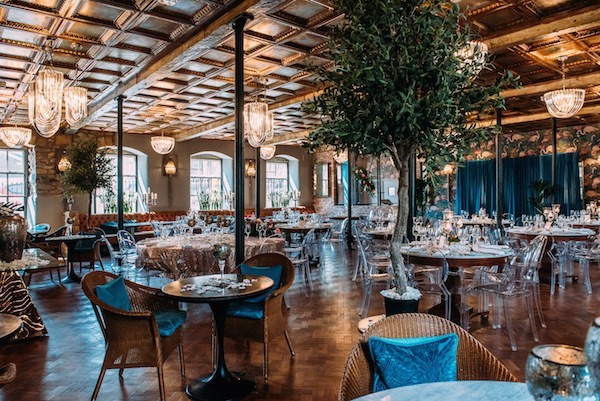
For many in the hospitality business 2026 is likely to be the last chance saloon.
The sector is straining under the weight of large-scale tax rises over the course of the last two Budgets. Hikes in national insurance contributions and the national minimum wage, coupled with business rate increases are taking their toll on operations already under pressure.
And despite the rates relief package for pubs unveiled by the government at the end of last year, the concern – and the strain – continues to increase.
Hospitality venue closures hit four a day at the end of last year, and the trade body UKHospitality has warned that number is set to rise to as many as six a day this year.
There have already been high-profile casualties in Lancashire in 2026.
Guy’s Thatched Hamlet, an iconic canalside hotel and restaurant business in Billsborrow, closed suddenly in February after nearly five decades of operation.
The family venue, sitting on a near nine-acre site beside the Lancaster Canal, was home to Guy’s Eating Establishment, Owd Nell’s Canalside Tavern, a 65-room lodge, function rooms and a cricket ground and pavilion.
Lila Thomas, one of the joint administrators and a partner at specialist advisory, restructuring and corporate finance firm FRP, said: “Like many businesses operating within the hospitality and leisure sector, the company has faced sustained cost pressures and challenging trading conditions.”
The business had been owned by the Wilkinson family for more than four decades and a spokesperson for the family said: “The closure has been a difficult decision.”
Earlier, in January, the Revel Collective, which operated 62 sites across the Revolution, Revolución de Cuba and Peach Pubs brands, fell into administration.
That saw the immediate closure of its Preston city centre bar.
Crow Wood, is an award-winning hotel and spa resort, an oasis of luxury, sitting on the edge of Burnley in 100 acres of parkland.
The vision of local entrepreneur Andrew Brown, Crow Wood was first established in 2001.
In 2024 a £19.5m extension that doubled the size of the luxury spa opened its doors. It continues to attract visitors from across the UK.
Company chairman Andrew says: “It is clear the hospitality industry is facing an unprecedented tsunami of additional overheads, many of which are already well aired.”
He fears more closures ahead as he goes on to spell out the impact on his business and the wider sector. “As a hotel operator our rateable value is increasing from £180,000 per annum to £570,000, and we are not at all untypical,” he says.
“We recently completed a major expansion of our spa operation, and we are anticipating a likely doubling of our rates on our leisure and spa facilities.
“Last year the increase in national insurance and the national minimum wage cost us £850,000.
“This year rates may cost us an additional £500,000 in rates payable with a further
potential £400,000 in revised national minimum wage increases.”
Andrew adds: “Unlike many businesses, hospitality pays 20 per cent VAT, with very little ability to reclaim input tax. There is no VAT on food, wages, insurance, alcohol duty, waste packaging tax, rates or the apprenticeship levy.
“Unless the government changes course extremely quickly there will be an alarming number of closures.
“We will survive as we have scale, but the reality is the huge impact of these taxes and their impact on our pricing, means customer leaving restaurants earlier and drinking less.
“Smaller players in pubs and restaurants already rely on sales over maybe two or three busy nights of the week.
Many are choosing much reduced opening times, which in turn limits their ability to spread their overheads.
The situation is particularly impacting on job prospects for the younger generation.
Andrew warns: “Young people will find that hospitality, a traditional route into their first job for many, will be closed.
“You cannot pay £20,000-plus per annum for someone to serve teas and coffees, when you take the training and uniform and other costs into consideration.
“Let’s hope the government sees sense, although I expect it is already too late.”
James Warburton is the owner and founder of Bowland Inns and Hotels, the Lancashire headquartered premier hospitality group that operates under the James’ Places brand.
Founded in 1996, the group specialises in country pubs with rooms, restaurants and luxury wedding venues. Its portfolio includes Eaves Hall, Mitton Hall, The Shireburn Arms and The Waddington Arms in the Ribble Valley.
The business was also behind the transformation of Holmes Mill in Clitheroe into
a leisure destination that includes a boutique hotel, a cinema, the Bowland Beer Hall and the Bowland Brewery.
In common with businesses across the sector, the national insurance hike, minimum wage increases and rising business rates are having an impact.
The food hall at Holmes Mill is currently being reduced in size and is being replaced by an increased ‘competitive socialising’ offer with darts, bowling and other attractions.
James describes it as swapping a low margin, high-cost business for a higher margin, lower operating cost one that will take fewer people to staff.
Food hall staff have been deployed to different locations in the mill and there will be no enforced job losses.
He reveals that the impact of Rachel Reeves’ first Budget was to increase costs by
£900,000. Now there is the added burden of a rising rates bill. “It’s just another shock to the system,” he says.
The business is paying £3,000 a week in rates just for the beer hall at Holmes Mill.
One of the group’s hotels in the South Lakes has seen its rates bill soar by 75 per cent.
With 454 workers on the payroll, Bowland Inns and Hotels’ wage bill is just under £7m.
The company, which has a turnover of £27.5m pays around £1.25m in national insurance.
There’s also the matter of an annual VAT bill in the region of £3m.
James says the rise in costs has made life difficult but adds that smaller pub businesses that don’t have scale have found it even harder. And when it comes to the group’s brewery operation and the taxes it faces, he says: “The challenges are enormous”.
The current climate is also making it harder for the industry to employ young people.
James says: “Rises in the minimum wage are laudable and desirable. But to implement them at the same time as a significant change in national insurance and then add in increasing business rates is just utter folly.
“There seems to be a lack of understanding about how a rural economy works.”
He believes the need for business rates reform is great and has what he describes as a “easy fix” for the sector. “Make the national insurance contribution sector specific. Hospitality is traditionally where people get their first job, an introduction to work. To encourage people to take people on, why not make the NI for the first year of employment zero?”
Despite all the challenges Bowland Inns and Hotels is continuing on its growth journey. When we speak James is on the cusp of sealing a deal to buy Guy’s Thatched Hamlet out of administration.
He is looking forward to the challenge and has big plans for the canalside venue. He says: “We see it as a great opportunity. We can sit here and take it on the chin and watch what we have created slowly disappear or we can continue to fight to grow our business. We have chosen the latter.”
There has been some respite for hospitality, but not for all. Every pub in England will get 15 per cent off its business rates bill from April after the government move to try and ease some of the pressure.
Their bills will then be frozen in real terms for a further two years. Treasury minister Dan Tomlinson told the Commons: “This support is worth £1,650 for the average pub, just next year.”
The valuation model used for pubs will also be reassessed.
Mr Tomlinson said pubs had not had the support they have needed “for too long”.
Those moves have been welcomed.
Rick Bailey is executive chairman at Daniel Thwaites. From its headquarters in Mellor Brook it brews beer and operates pubs as well as a collective of hotels, inns and spas. He is also chairman of the IFBB (Independent Family Brewers of Britain).
He says: “At last the government has done the right thing – it has listened to industry and had the courage to reverse the damaging increases to pubs business rates due from April with a heavyweight and meaningful proposal.
The announcement provides a breathing space for pubs. Importantly, the clarity provided for the next three years restores hope and gives landlords the certainty that they need to plan for the future.
“Once people have worked through the numbers I think overwhelmingly there will be a sense of relief for landlords who had feared for their businesses and the future.”
However, he adds: “Pubs do not need any more headwinds, and unnecessary talk of interfering in the drink drive limits and legislating over low and no products now need to be consigned to the bin to allow pubs to recover.”
The calls for more to be done to help the wider hospitality industry – including extending rates relief - continue to be loud.
Kate Nicholls, who chairs UKHospitality, warns: “The rising cost of doing business and business rates increases is a hospitality-wide problem that needs a hospitality-wide solution.”
Justine Bedford is owner of The Royal Dyche in Burnley.
It was named Pub of the Year in the recent Lancashire Tourism Awards, the latest in a string of accolades.
Justine, who bought the pub in 2018, is an ambassador for the British Institute of
Innkeeping and urges the government to do much more to support the British pub.
Things she would like to see include the overhaul in the business rates system promised before the election and a reduction in VAT.
Justine adds: “Pubs are a massive part of British culture but face some of the highest taxes in Europe.
“It’s tough, we are constantly reinventing ourself, thinking outside the box to put on events that will attract people, who continually expect more and want to be entertained.
“A lot of people are throwing the towel in, because they are just exhausted. Every pub that closes means less tax for the government and less employment in local communities.
' fill='%23cc0935'/%3E%3C/svg%3E)
' fill='%23cc0935'/%3E%3C/svg%3E)
Enjoyed this? Read more from Ged Henderson