' fill='%23cc0935'/%3E%3C/svg%3E)

' fill='%23cc0935'/%3E%3C/svg%3E)
'%3E%3Cg id='Group_1' data-name='Group 1' transform='translate(838.16 96.811)'%3E%3Cpath id='Path_1' data-name='Path 1' d='M13.382.347l-.563,7.2q-.709,8.68-1.336,19.87Q10.847,16.343,9.354.347H.8L5.482,39.063H17.81L21.94.347Zm9.927,38.716h8.115V.347H23.309V39.063Zm11.373,0h14.07V31.314H42.8V22.8h5.07V15.436H42.8V8.095h5.417V.347H34.682ZM73.752.347q-1.6,13.708-2.265,27.5l-.9-14.732Q69.872,2.045,69.706.346H61.28q-1.794,16.432-2.243,26.568l-.829-13.06L57.351.346H49.466L53.1,39.062H63.173q1.779-15.424,2.263-20.3,1.065,11.381,2.455,20.3H78.023L81.636.347H73.754Z' transform='translate(-0.796 -0.346)' fill='%231d1d1b' fill-rule='evenodd'/%3E%3C/g%3E%3Cpath id='Path_2' data-name='Path 2' d='M220.325,39.526h9.387q4.894,0,6.476-.693a4.349,4.349,0,0,0,2.3-2.584,17.387,17.387,0,0,0,.723-5.813V26.846a12.108,12.108,0,0,0-1-5.612,5.875,5.875,0,0,0-3.817-2.619,5.68,5.68,0,0,0,3.383-2.056,9.362,9.362,0,0,0,.858-4.732q0-5.018-1.214-7.276a6.076,6.076,0,0,0-3.19-3,17.414,17.414,0,0,0-5.811-.741h-8.1Zm9.8-31.874a1.5,1.5,0,0,1,.7.92,8.266,8.266,0,0,1,.27,2.546,14.619,14.619,0,0,1-.329,4.173q-.326.729-1.522.73c-.192,0-.462.009-.809.024V7.435a5.146,5.146,0,0,1,1.687.216Zm.55,15.016a6.148,6.148,0,0,1,.424,3.012v3.611a5.622,5.622,0,0,1-.473,2.94,2.983,2.983,0,0,1-2.188.67V22.07q1.811.073,2.236.6ZM252.456.813V29.34a17.806,17.806,0,0,1-.222,3.67.954.954,0,0,1-.993.777.882.882,0,0,1-.9-.705,14.1,14.1,0,0,1-.222-3.24V.813h-8.116V23.721q0,6.551.194,8.6a9.489,9.489,0,0,0,1.252,3.886,7.862,7.862,0,0,0,3.2,2.99,10.286,10.286,0,0,0,4.934,1.147,9.373,9.373,0,0,0,4.385-.969,7.527,7.527,0,0,0,3-2.846,9.45,9.45,0,0,0,1.369-3.658,55.93,55.93,0,0,0,.23-6.181V.813ZM280.907,11a20.617,20.617,0,0,0-.724-6.539,6.269,6.269,0,0,0-2.949-3.193A10.731,10.731,0,0,0,271.849,0a9.864,9.864,0,0,0-4.936,1.16,6.828,6.828,0,0,0-2.958,3.216,17.061,17.061,0,0,0-.916,6.5,16.667,16.667,0,0,0,.646,5.07,8.846,8.846,0,0,0,1.629,3.108,39,39,0,0,0,4.011,3.611,25.408,25.408,0,0,1,3.8,3.515q.752,1.053.752,4.472a5.417,5.417,0,0,1-.4,2.342,1.28,1.28,0,0,1-1.2.789,1.155,1.155,0,0,1-1.128-.621,7.543,7.543,0,0,1-.319-2.8v-4.71H263.29v2.535A24.491,24.491,0,0,0,264,34.911a7.084,7.084,0,0,0,3.017,3.9,9.815,9.815,0,0,0,5.562,1.531,10,10,0,0,0,5.2-1.328,6.8,6.8,0,0,0,3.015-3.288,17.6,17.6,0,0,0,.781-6.1q0-5.69-1.407-8.249t-6.826-6.548a6.74,6.74,0,0,1-2.293-2.368,7.716,7.716,0,0,1-.422-2.919,5.186,5.186,0,0,1,.376-2.25,1.193,1.193,0,0,1,1.108-.742,1.007,1.007,0,0,1,.965.55,6.874,6.874,0,0,1,.289,2.558v2.87h7.537V11Zm3.219,28.527h8.114V.813h-8.114ZM306.832.813V18.245L302.284.813H295.5V39.526h6.785v-17.6l4.221,17.6h7.113V.813Zm10.043,38.713h14.073V31.778H324.99V23.266h5.069V15.9H324.99V8.562h5.418V.812H316.875V39.526ZM350.473,11a20.642,20.642,0,0,0-.724-6.539A6.269,6.269,0,0,0,346.8,1.267,10.743,10.743,0,0,0,341.412,0a9.854,9.854,0,0,0-4.933,1.16,6.828,6.828,0,0,0-2.96,3.216,17.062,17.062,0,0,0-.916,6.5,16.7,16.7,0,0,0,.646,5.07,8.833,8.833,0,0,0,1.63,3.108,38.832,38.832,0,0,0,4.009,3.611,25.288,25.288,0,0,1,3.8,3.515q.753,1.053.752,4.472a5.417,5.417,0,0,1-.4,2.342,1.279,1.279,0,0,1-1.2.789,1.155,1.155,0,0,1-1.128-.621,7.55,7.55,0,0,1-.318-2.8v-4.71h-7.537v2.535a24.45,24.45,0,0,0,.713,6.719,7.078,7.078,0,0,0,3.016,3.9,9.816,9.816,0,0,0,5.562,1.531,10,10,0,0,0,5.2-1.328,6.8,6.8,0,0,0,3.016-3.288,17.62,17.62,0,0,0,.781-6.1q0-5.69-1.406-8.249t-6.826-6.548a6.729,6.729,0,0,1-2.294-2.368,7.716,7.716,0,0,1-.422-2.919,5.171,5.171,0,0,1,.376-2.25,1.192,1.192,0,0,1,1.108-.742,1,1,0,0,1,.964.55,6.853,6.853,0,0,1,.289,2.558v2.87h7.537V11Zm20.414,0a20.667,20.667,0,0,0-.724-6.539,6.274,6.274,0,0,0-2.95-3.193A10.742,10.742,0,0,0,361.825,0a9.856,9.856,0,0,0-4.935,1.16,6.826,6.826,0,0,0-2.959,3.216,17.048,17.048,0,0,0-.915,6.5,16.668,16.668,0,0,0,.646,5.07,8.8,8.8,0,0,0,1.629,3.108,38.884,38.884,0,0,0,4.008,3.611,25.312,25.312,0,0,1,3.8,3.515q.753,1.053.751,4.472A5.419,5.419,0,0,1,363.453,33a1.278,1.278,0,0,1-1.2.789,1.155,1.155,0,0,1-1.128-.621,7.57,7.57,0,0,1-.318-2.8v-4.71h-7.537v2.535a24.45,24.45,0,0,0,.713,6.719,7.075,7.075,0,0,0,3.016,3.9,9.816,9.816,0,0,0,5.561,1.531,9.993,9.993,0,0,0,5.2-1.328,6.8,6.8,0,0,0,3.017-3.288,17.62,17.62,0,0,0,.781-6.1q0-5.69-1.407-8.249t-6.825-6.548a6.737,6.737,0,0,1-2.294-2.368,7.733,7.733,0,0,1-.422-2.919,5.171,5.171,0,0,1,.376-2.25,1.191,1.191,0,0,1,1.108-.742,1,1,0,0,1,.963.55,6.842,6.842,0,0,1,.291,2.558v2.87h7.537V11Z' transform='translate(465.745 96)' fill='%23cc0935' fill-rule='evenodd'/%3E%3Cpath id='Path_3' data-name='Path 3' d='M0,.813V39.526H13.05V31.779H8.115V.812H0Zm18.3,0-4.14,38.714h8.39l.487-6.959h2.9l.435,6.959h8.293L30.026.813Zm4.634,24.892q.318-5.14,1.558-16.259.621,9.683,1.236,16.259ZM47.379.813V18.245L42.83.813H36.044V39.526H42.83v-17.6l4.221,17.6h7.113V.813H47.378Zm28.99,13.181a31.659,31.659,0,0,0-.732-7.987,7.966,7.966,0,0,0-3.066-4.287A9.711,9.711,0,0,0,66.653,0,9.588,9.588,0,0,0,61.98,1.112,8.178,8.178,0,0,0,58.8,4.161a9.993,9.993,0,0,0-1.378,4.03,62,62,0,0,0-.232,6.276v11.31a35.789,35.789,0,0,0,.752,8.525,7.574,7.574,0,0,0,3.065,4.435,10.093,10.093,0,0,0,5.879,1.6,8.894,8.894,0,0,0,5.773-1.891,8.513,8.513,0,0,0,3.026-4.407,36.619,36.619,0,0,0,.685-8.525V24.007H68.254v4.866a17.358,17.358,0,0,1-.28,4.051,1.267,1.267,0,0,1-2.4,0,15.435,15.435,0,0,1-.27-3.682V11.262a16.565,16.565,0,0,1,.27-3.825,1.191,1.191,0,0,1,1.272-.884,1.087,1.087,0,0,1,1.147.727,14.846,14.846,0,0,1,.261,3.662v6.728h8.115V13.993ZM81.577.812,77.438,39.526h8.389l.488-6.959h2.9l.436,6.959h8.291L93.308.813H81.577ZM86.213,25.7q.317-5.14,1.557-16.259.619,9.683,1.237,16.259H86.212ZM116.519,11a20.684,20.684,0,0,0-.723-6.54,6.262,6.262,0,0,0-2.95-3.192A10.725,10.725,0,0,0,107.459,0a9.84,9.84,0,0,0-4.935,1.16,6.826,6.826,0,0,0-2.958,3.215,17.064,17.064,0,0,0-.916,6.5,16.672,16.672,0,0,0,.646,5.07,8.862,8.862,0,0,0,1.629,3.108,38.959,38.959,0,0,0,4.009,3.61,25.357,25.357,0,0,1,3.8,3.515q.752,1.053.752,4.472a5.4,5.4,0,0,1-.4,2.343,1.278,1.278,0,0,1-1.2.789,1.155,1.155,0,0,1-1.128-.621,7.556,7.556,0,0,1-.318-2.8V25.657H98.9v2.534a24.506,24.506,0,0,0,.712,6.72,7.083,7.083,0,0,0,3.017,3.9,9.828,9.828,0,0,0,5.561,1.53,10.011,10.011,0,0,0,5.2-1.326,6.8,6.8,0,0,0,3.017-3.289,17.639,17.639,0,0,0,.781-6.1q0-5.692-1.407-8.25t-6.825-6.548a6.735,6.735,0,0,1-2.294-2.367,7.722,7.722,0,0,1-.422-2.919,5.186,5.186,0,0,1,.376-2.25,1.192,1.192,0,0,1,1.108-.742,1,1,0,0,1,.964.549,6.856,6.856,0,0,1,.289,2.559v2.868h7.537V11ZM130.283.813V14.658h-2.429V.813h-8.115V39.526h8.115V23.266h2.429V39.526H138.4V.813Zm11.373,38.714h8.115V.813h-8.115Zm11.372,0h8.115V22.071q1.676,0,2.072.741a10.845,10.845,0,0,1,.4,3.85V39.526h7.536V29.316a44.475,44.475,0,0,0-.2-5.727,6.461,6.461,0,0,0-1.03-2.283,5.808,5.808,0,0,0-3.239-1.985q2.66-.312,3.566-1.865t.905-6.074q0-4.949-1.281-7.209a5.481,5.481,0,0,0-3.316-2.81,35.563,35.563,0,0,0-7.777-.55h-5.744V39.526ZM163.079,8.01a3.786,3.786,0,0,1,.531,2.415v2.128q0,2.56-.55,3.025a3.011,3.011,0,0,1-1.918.466V7.437A2.589,2.589,0,0,1,163.079,8.01Zm11.208,31.516h14.071V31.779H182.4V23.266h5.069V15.9H182.4V8.56h5.416V.813H174.288V39.526Z' transform='translate(495 96)' fill='%231d1d1b' fill-rule='evenodd'/%3E%3C/g%3E%3C/svg%3E)

The world is changing, our climate is changing and sustainability is becoming more and more prevalent in our minds.
Earlier this year, as the owner of Designer Travel by Simon Collinge I started out on the path to becoming a TTG (Travel Trade Gazette) Sustainable Travel Ambassador, signing up to undertake a series of courses and training sessions with the Travel Trade Gazette, Kiwano Tourism and a number of different tour operators with a view to learning all about how the travel industry is looking to change and what I can do as an independent travel agency to help the industry to become more responsible and sustainable.
Initially I have to admit I was incredibly sceptical about the idea of “sustainable tourism”, after all, how could an industry that is so obviously wasteful, intrusive and reliant on flights and transportation, all major contributors to carbon emissions, ever be truly sustainable?
How wrong could I have been?
We all want to reduce carbon emissions as much as possible and strive towards being carbon neutral however, the very nature of the travel industry means it will probably never achieve complete carbon neutrality but, as my training has progressed, my perspective has shifted dramatically and I’ve come to realise that sustainability isn’t JUST about carbon emissions.
Although I haven’t completed all the training yet, it’s already been a somewhat eye opening journey, here’s a glimpse into just a few of the areas we’ve looked at so far.
Tourism Leakage: What is it?
Tourism Leakage was something I honestly hadn’t really considered or even heard of before now but is all about how the money that is spent by a tourist in any given destination doesn’t actually stay in that local economy but instead leaks out to other economies around the world.
I was amazed to learn how much of the money generated by tourism is actually being lost to foreign-owned businesses, international tour operators and imported goods without me even knowing it.
Locally to my home we have a ‘Use it or Lose it’ initiative where people are making a conscious effort to visit local, independent pubs, restaurants and shops in order to buy locally produced food, drink and other goods in an effort to help support their home economy and keep these places open and available. And this works whilst travelling as well.
Things like staying in a Hilton hotel in Spain, buying a Coca Cola in the Caribbean or having that cheeky McDonalds in Italy all contribute to Tourism Leakage with much of the profits swelling the pockets of faceless shareholders and big name corporations around the world instead of staying within the community you are visiting.
Having learnt what I have so far, I know I will no longer have any hesitation in discussing Tourism Leakage with my clients and throwing in a ‘Wild Card’ option for them to consider when they are looking at their usual ‘Fly and Flop’ All Inclusive beach holiday, something like the ‘Summer Pyrenees Family Holiday’ from Intrepid which offers plenty of fun and exciting things for the whole family to see and do but utilises local, family owned and run hotels, restaurants, activity centres and guides to help keep more of their hard earned holiday money within the community into which they are being welcomed.
We all know what to expect from the ‘big’ names we recognise and they can feel like an easy, safe choice, especially when travelling somewhere new however, if we swapped to a local, family owned boutique hotel, ordered a freshly made fruit punch at that Caribbean Beach Shack or tucked in to some hearty pasta in a traditional Italian trattoria, we aren’t just helping to keep more of our money within, and thus benefiting the local communities we are visiting but we will quite probably have a more authentic and enjoyable experience of the places we are visiting as a result.
Tackling Food: A Global Challenge
Before I started this training I had no idea that food production was responsible for about 25% of all greenhouse gas emissions and it’s estimated that, around the world, up to 40% of all food (or in meal terms 5.8 TRILLION meals a year) are wasted meaning that, if food waste were a country, it would be the 3rd biggest emitter of greenhouse gasses behind the USA and China!
But it’s not all bad news. I’ve learnt that there are some easy ‘quick win’ fixes to helping tackle the issue of food, and that many places are already starting to revise and implement new strategies for reducing and also handling their food waste.
Few can disagree that nearly everything we eat tastes better and is more nutritious when it is fresh. Using fresh, locally sourced ingredients, especially when they are plant based, rather than imported, non-native ingredients not only reduces the food miles and carbon footprint created in the production of your meal but it can also help maintain and sustain the local economy.
By switching away from the traditional, over indulgent ‘All Inclusive’ buffets, hotel chains like Iberostar are instantly reducing their food waste. They are implementing artificial intelligence to better managing their inventory and menus and help utilise ingredients that may otherwise go to waste and actively encouraging guests to order mindfully and even become ‘plant curious’ with their menu choices.
Celebrated chef Raymond Blanc’s restaurant at the Belmond hotel in Oxfordshire has taken things one step further. Their menu is based on the ‘Garden to Table’ ethos where they grow and source most of their ingredients in their own gardens. In 2019 they invested in a ‘Rocket Composter’ which they use to compost over 90% of their food waste which they then use in their herb gardens and orchards to grow more organic produce to use in their menus and thus create an almost closed-loop system for their food.
We all have to eat, but eating more considerately, locally and conscientiously isn’t a difficult decision to make but can make a massive difference to the impact we have.
Animal Welfare: Ethical Considerations
From visiting wildlife parks to swimming with dolphins in a marine park, the majority of tourists who take part in wildlife tourism do so because they love animals, and I am as guilty as anyone of having previously visited some of these attractions in the belief that I was helping with the welfare of those animals to now realise that actually, maybe I was wrong.
The recent growth in social media has seen a boom in ‘Wildlife Tourism’ with hordes of tourists in pursuit of that perfect ‘selfie’ with the next, in vogue exotic animal however, over the last few years there’s been a growing trend within the wildlife sector, with tourists being asked and encouraged to view animal activities and attractions in a different light.
There are many factors to consider when animals are involved and these last few weeks I have started to learn how to recognise the signs of animal mistreatment, understand the impact tourism can have on animal welfare and realise the importance of identifying and choosing activities that actually advocate for animals and protect their habitats rather than exploit them.
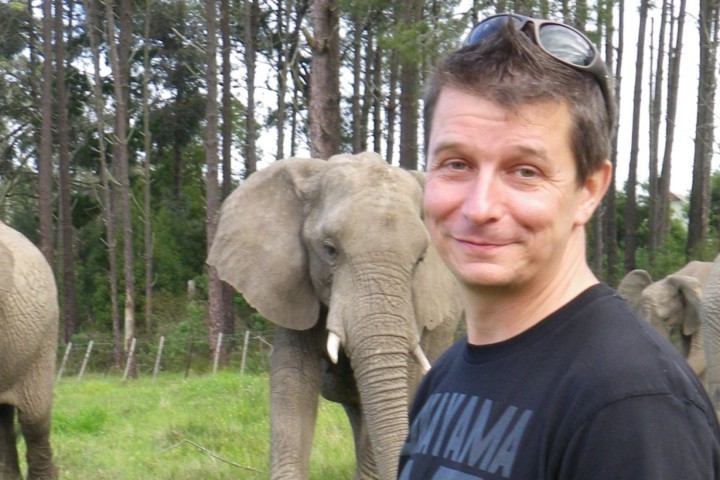
Having been unexpectedly nudged by playful dolphins whilst snorkelling in the open sea, walked out onto the plains with our guide and a herd of orphaned elephants and experienced their presence and power whilst their curiosity brought them towards us, I know first-hand how seeing and interacting with wild animals in their natural environment is a way, way more rewarding and exiting experience than waiting in line to have your picture taken with a reluctant animal in its ‘enclosure’.
Simply taking a moment to think about the animals you are visiting, what they are doing, where those animals are, whether any interactions you are having are ‘natural’ and whether those animals actually have a choice about what they are doing can help us to start to recognise those more ethical attractions over those less so.
We will always want to see wild animals and, whether it’s me that’s advertising them or my clients that are asking me for them, I have gained the knowledge and confidence to help me promote and guide people towards those more ethical, responsible and sustainable animal attractions that will not only give them an amazing, memorable experience but also ensure the welfare of those animals is the first and foremost priority.
Community-Based Tourism: Empowering Local Communities
Community-based tourism (CBT) is all about involving local communities in the planning, management and running of tourism activities and ensuring that they have a direct stake in the benefits from them.
The ongoing tourism protests around the world show just how wrong the tourism industry has previously got it and how strongly local communities, many of them supposedly ‘dependent’ upon tourism, can feel when they have no involvement, benefit or say in what is happening in their own community.
We’ve been learning how, in contrast, the best sustainable travel experiences aren’t just enjoyable for the tourists, they also make communities stronger, empower the marginalised, help preserve cultural heritage, support local economies and foster a sense of pride among community members. How, by shifting the focus from simply servicing the tourist regardless of impact to actively engaging and involving communities and servicing their needs and requirements as well as those of the tourists, resorts like Grootbos in South Africa are actively proving the power of tourism’s ability to transform places and people for the better.
The Power of Small Changes
This last few weeks I have come to realise the power that making just a few, small changes in our everyday lives can have. Simple actions like choosing local or eco-friendly hotels over large, faceless chains, changing my menu choice and buying local produce from local businesses can, collectively, lead to a significant positive impact, not just whilst travelling but also at home.
I’ve learnt that, whilst we may never eliminate our carbon footprint entirely, we can still try however, sustainable travel goes way beyond this and, through conscious decisions and sustainable practices, we can still have a great holiday experience, our carbon footprint can still be reduced and we can have a positive impact on the places and people we visit.
So, can the tourism industry EVER be Sustainable?
No matter what happens, the travel and tourism industry is here to stay and it will always have an impact on the world in which we live but I do believe that yes, tourism CAN become sustainable!
This last few weeks I’ve come to understand that sustainability is complex and multi-faceted, with each aspect delicately interlinked with all the others but, by working together, making just a few small changes and embracing sustainable travel practices we can start to reshape and change tourism for the best, not only delighting and educating travellers but also respecting and nurturing the destinations and communities we cherish, leaving a lasting, positive impact on those we visit and being welcomed back with open arms.
Moving Forward: A Commitment to Sustainable Travel
Whilst I still have a few weeks of my Sustainable Travel Ambassador training left to go, I have realised that this is just the start.
Sustainability isn’t about reaching an end date, destination or target, it’s a constantly evolving journey, a journey that will continue long after I have finished these brief training sessions.
Myself and the rest of the team here at Designer Travel by Simon Collinge are committed to continuing our sustainability journey, I’ve already learnt more than I expected, I am sure there will be far more to come and I am excited to see where this journey takes us, not just in learning more for ourselves but also being able to help our clients to take sustainability into consideration when booking their next holiday and helping us all to change and improve things for the better.
If you are thinking of booking a holiday and want to do it responsibly and sustainably then get in touch.... It’s time to travel responsibly and make a positive impact, one trip at a time.
' fill='%23cc0935'/%3E%3C/svg%3E)
' fill='%23cc0935'/%3E%3C/svg%3E)