' fill='%23cc0935'/%3E%3C/svg%3E)

' fill='%23cc0935'/%3E%3C/svg%3E)
'%3E%3Cg id='Group_1' data-name='Group 1' transform='translate(838.16 96.811)'%3E%3Cpath id='Path_1' data-name='Path 1' d='M13.382.347l-.563,7.2q-.709,8.68-1.336,19.87Q10.847,16.343,9.354.347H.8L5.482,39.063H17.81L21.94.347Zm9.927,38.716h8.115V.347H23.309V39.063Zm11.373,0h14.07V31.314H42.8V22.8h5.07V15.436H42.8V8.095h5.417V.347H34.682ZM73.752.347q-1.6,13.708-2.265,27.5l-.9-14.732Q69.872,2.045,69.706.346H61.28q-1.794,16.432-2.243,26.568l-.829-13.06L57.351.346H49.466L53.1,39.062H63.173q1.779-15.424,2.263-20.3,1.065,11.381,2.455,20.3H78.023L81.636.347H73.754Z' transform='translate(-0.796 -0.346)' fill='%231d1d1b' fill-rule='evenodd'/%3E%3C/g%3E%3Cpath id='Path_2' data-name='Path 2' d='M220.325,39.526h9.387q4.894,0,6.476-.693a4.349,4.349,0,0,0,2.3-2.584,17.387,17.387,0,0,0,.723-5.813V26.846a12.108,12.108,0,0,0-1-5.612,5.875,5.875,0,0,0-3.817-2.619,5.68,5.68,0,0,0,3.383-2.056,9.362,9.362,0,0,0,.858-4.732q0-5.018-1.214-7.276a6.076,6.076,0,0,0-3.19-3,17.414,17.414,0,0,0-5.811-.741h-8.1Zm9.8-31.874a1.5,1.5,0,0,1,.7.92,8.266,8.266,0,0,1,.27,2.546,14.619,14.619,0,0,1-.329,4.173q-.326.729-1.522.73c-.192,0-.462.009-.809.024V7.435a5.146,5.146,0,0,1,1.687.216Zm.55,15.016a6.148,6.148,0,0,1,.424,3.012v3.611a5.622,5.622,0,0,1-.473,2.94,2.983,2.983,0,0,1-2.188.67V22.07q1.811.073,2.236.6ZM252.456.813V29.34a17.806,17.806,0,0,1-.222,3.67.954.954,0,0,1-.993.777.882.882,0,0,1-.9-.705,14.1,14.1,0,0,1-.222-3.24V.813h-8.116V23.721q0,6.551.194,8.6a9.489,9.489,0,0,0,1.252,3.886,7.862,7.862,0,0,0,3.2,2.99,10.286,10.286,0,0,0,4.934,1.147,9.373,9.373,0,0,0,4.385-.969,7.527,7.527,0,0,0,3-2.846,9.45,9.45,0,0,0,1.369-3.658,55.93,55.93,0,0,0,.23-6.181V.813ZM280.907,11a20.617,20.617,0,0,0-.724-6.539,6.269,6.269,0,0,0-2.949-3.193A10.731,10.731,0,0,0,271.849,0a9.864,9.864,0,0,0-4.936,1.16,6.828,6.828,0,0,0-2.958,3.216,17.061,17.061,0,0,0-.916,6.5,16.667,16.667,0,0,0,.646,5.07,8.846,8.846,0,0,0,1.629,3.108,39,39,0,0,0,4.011,3.611,25.408,25.408,0,0,1,3.8,3.515q.752,1.053.752,4.472a5.417,5.417,0,0,1-.4,2.342,1.28,1.28,0,0,1-1.2.789,1.155,1.155,0,0,1-1.128-.621,7.543,7.543,0,0,1-.319-2.8v-4.71H263.29v2.535A24.491,24.491,0,0,0,264,34.911a7.084,7.084,0,0,0,3.017,3.9,9.815,9.815,0,0,0,5.562,1.531,10,10,0,0,0,5.2-1.328,6.8,6.8,0,0,0,3.015-3.288,17.6,17.6,0,0,0,.781-6.1q0-5.69-1.407-8.249t-6.826-6.548a6.74,6.74,0,0,1-2.293-2.368,7.716,7.716,0,0,1-.422-2.919,5.186,5.186,0,0,1,.376-2.25,1.193,1.193,0,0,1,1.108-.742,1.007,1.007,0,0,1,.965.55,6.874,6.874,0,0,1,.289,2.558v2.87h7.537V11Zm3.219,28.527h8.114V.813h-8.114ZM306.832.813V18.245L302.284.813H295.5V39.526h6.785v-17.6l4.221,17.6h7.113V.813Zm10.043,38.713h14.073V31.778H324.99V23.266h5.069V15.9H324.99V8.562h5.418V.812H316.875V39.526ZM350.473,11a20.642,20.642,0,0,0-.724-6.539A6.269,6.269,0,0,0,346.8,1.267,10.743,10.743,0,0,0,341.412,0a9.854,9.854,0,0,0-4.933,1.16,6.828,6.828,0,0,0-2.96,3.216,17.062,17.062,0,0,0-.916,6.5,16.7,16.7,0,0,0,.646,5.07,8.833,8.833,0,0,0,1.63,3.108,38.832,38.832,0,0,0,4.009,3.611,25.288,25.288,0,0,1,3.8,3.515q.753,1.053.752,4.472a5.417,5.417,0,0,1-.4,2.342,1.279,1.279,0,0,1-1.2.789,1.155,1.155,0,0,1-1.128-.621,7.55,7.55,0,0,1-.318-2.8v-4.71h-7.537v2.535a24.45,24.45,0,0,0,.713,6.719,7.078,7.078,0,0,0,3.016,3.9,9.816,9.816,0,0,0,5.562,1.531,10,10,0,0,0,5.2-1.328,6.8,6.8,0,0,0,3.016-3.288,17.62,17.62,0,0,0,.781-6.1q0-5.69-1.406-8.249t-6.826-6.548a6.729,6.729,0,0,1-2.294-2.368,7.716,7.716,0,0,1-.422-2.919,5.171,5.171,0,0,1,.376-2.25,1.192,1.192,0,0,1,1.108-.742,1,1,0,0,1,.964.55,6.853,6.853,0,0,1,.289,2.558v2.87h7.537V11Zm20.414,0a20.667,20.667,0,0,0-.724-6.539,6.274,6.274,0,0,0-2.95-3.193A10.742,10.742,0,0,0,361.825,0a9.856,9.856,0,0,0-4.935,1.16,6.826,6.826,0,0,0-2.959,3.216,17.048,17.048,0,0,0-.915,6.5,16.668,16.668,0,0,0,.646,5.07,8.8,8.8,0,0,0,1.629,3.108,38.884,38.884,0,0,0,4.008,3.611,25.312,25.312,0,0,1,3.8,3.515q.753,1.053.751,4.472A5.419,5.419,0,0,1,363.453,33a1.278,1.278,0,0,1-1.2.789,1.155,1.155,0,0,1-1.128-.621,7.57,7.57,0,0,1-.318-2.8v-4.71h-7.537v2.535a24.45,24.45,0,0,0,.713,6.719,7.075,7.075,0,0,0,3.016,3.9,9.816,9.816,0,0,0,5.561,1.531,9.993,9.993,0,0,0,5.2-1.328,6.8,6.8,0,0,0,3.017-3.288,17.62,17.62,0,0,0,.781-6.1q0-5.69-1.407-8.249t-6.825-6.548a6.737,6.737,0,0,1-2.294-2.368,7.733,7.733,0,0,1-.422-2.919,5.171,5.171,0,0,1,.376-2.25,1.191,1.191,0,0,1,1.108-.742,1,1,0,0,1,.963.55,6.842,6.842,0,0,1,.291,2.558v2.87h7.537V11Z' transform='translate(465.745 96)' fill='%23cc0935' fill-rule='evenodd'/%3E%3Cpath id='Path_3' data-name='Path 3' d='M0,.813V39.526H13.05V31.779H8.115V.812H0Zm18.3,0-4.14,38.714h8.39l.487-6.959h2.9l.435,6.959h8.293L30.026.813Zm4.634,24.892q.318-5.14,1.558-16.259.621,9.683,1.236,16.259ZM47.379.813V18.245L42.83.813H36.044V39.526H42.83v-17.6l4.221,17.6h7.113V.813H47.378Zm28.99,13.181a31.659,31.659,0,0,0-.732-7.987,7.966,7.966,0,0,0-3.066-4.287A9.711,9.711,0,0,0,66.653,0,9.588,9.588,0,0,0,61.98,1.112,8.178,8.178,0,0,0,58.8,4.161a9.993,9.993,0,0,0-1.378,4.03,62,62,0,0,0-.232,6.276v11.31a35.789,35.789,0,0,0,.752,8.525,7.574,7.574,0,0,0,3.065,4.435,10.093,10.093,0,0,0,5.879,1.6,8.894,8.894,0,0,0,5.773-1.891,8.513,8.513,0,0,0,3.026-4.407,36.619,36.619,0,0,0,.685-8.525V24.007H68.254v4.866a17.358,17.358,0,0,1-.28,4.051,1.267,1.267,0,0,1-2.4,0,15.435,15.435,0,0,1-.27-3.682V11.262a16.565,16.565,0,0,1,.27-3.825,1.191,1.191,0,0,1,1.272-.884,1.087,1.087,0,0,1,1.147.727,14.846,14.846,0,0,1,.261,3.662v6.728h8.115V13.993ZM81.577.812,77.438,39.526h8.389l.488-6.959h2.9l.436,6.959h8.291L93.308.813H81.577ZM86.213,25.7q.317-5.14,1.557-16.259.619,9.683,1.237,16.259H86.212ZM116.519,11a20.684,20.684,0,0,0-.723-6.54,6.262,6.262,0,0,0-2.95-3.192A10.725,10.725,0,0,0,107.459,0a9.84,9.84,0,0,0-4.935,1.16,6.826,6.826,0,0,0-2.958,3.215,17.064,17.064,0,0,0-.916,6.5,16.672,16.672,0,0,0,.646,5.07,8.862,8.862,0,0,0,1.629,3.108,38.959,38.959,0,0,0,4.009,3.61,25.357,25.357,0,0,1,3.8,3.515q.752,1.053.752,4.472a5.4,5.4,0,0,1-.4,2.343,1.278,1.278,0,0,1-1.2.789,1.155,1.155,0,0,1-1.128-.621,7.556,7.556,0,0,1-.318-2.8V25.657H98.9v2.534a24.506,24.506,0,0,0,.712,6.72,7.083,7.083,0,0,0,3.017,3.9,9.828,9.828,0,0,0,5.561,1.53,10.011,10.011,0,0,0,5.2-1.326,6.8,6.8,0,0,0,3.017-3.289,17.639,17.639,0,0,0,.781-6.1q0-5.692-1.407-8.25t-6.825-6.548a6.735,6.735,0,0,1-2.294-2.367,7.722,7.722,0,0,1-.422-2.919,5.186,5.186,0,0,1,.376-2.25,1.192,1.192,0,0,1,1.108-.742,1,1,0,0,1,.964.549,6.856,6.856,0,0,1,.289,2.559v2.868h7.537V11ZM130.283.813V14.658h-2.429V.813h-8.115V39.526h8.115V23.266h2.429V39.526H138.4V.813Zm11.373,38.714h8.115V.813h-8.115Zm11.372,0h8.115V22.071q1.676,0,2.072.741a10.845,10.845,0,0,1,.4,3.85V39.526h7.536V29.316a44.475,44.475,0,0,0-.2-5.727,6.461,6.461,0,0,0-1.03-2.283,5.808,5.808,0,0,0-3.239-1.985q2.66-.312,3.566-1.865t.905-6.074q0-4.949-1.281-7.209a5.481,5.481,0,0,0-3.316-2.81,35.563,35.563,0,0,0-7.777-.55h-5.744V39.526ZM163.079,8.01a3.786,3.786,0,0,1,.531,2.415v2.128q0,2.56-.55,3.025a3.011,3.011,0,0,1-1.918.466V7.437A2.589,2.589,0,0,1,163.079,8.01Zm11.208,31.516h14.071V31.779H182.4V23.266h5.069V15.9H182.4V8.56h5.416V.813H174.288V39.526Z' transform='translate(495 96)' fill='%231d1d1b' fill-rule='evenodd'/%3E%3C/g%3E%3C/svg%3E)


Five years have passed since the horror of the Grenfell Tower tragedy, where it emerged a simple fridge freezer had caused the devastating blaze. In light of this, we wanted to share the most common cause of workplace fires, while emphasising the importance of getting regular PAT testing.
Sounds exciting, right?!
Hey, we get it. Thinking about fire safety in your workplace probably isn’t the highlight of your day - but it could shock you to learn how common fires within the UK actually are. Take a look at these recent figures…
KEY STATISTICS
- Around 22,000 workplace fires occur each year in the UK, or 423 per week
- Around 25% of these are caused by faulty or misused electrical equipment
For this reason, we’ve put together the five most common causes of workplace fires in businesses across the UK. Brace yourselves…
THE FIVE MOST COMMON CAUSES OF WORKPLACE FIRES
- Faulty electrical appliances and leads
- Faulty fuel supplies
- Placing articles too close to heat
- Misuse of equipment or appliances
- Carless handling of fire or hot substances
1. FAULTY ELECTRICAL APPLIANCES AND LEADS

First on the list are faulty electrical appliances and leads. In fact, recent figures revealed that during the years of 2020/21 - a shocking 1,707 workplace fires in the UK were due to faulty electrical appliances and leads.
Is this surprising to us? Not really.
Electrical faults in everyday appliances such as toasters, microwaves, kettles and hoovers are more common than you’d think, and for a number of reasons, including wear and tear, overuse, and damage to the equipment. If not addressed, these electrical faults can lead to overheating - often resulting in fires.
Which small kitchen appliances pose the greatest fire risk?
- Dishwashers
- Fridges / Freezers
- Extractor Fans
- Toasters
- Microwaves
HOW CAN YOU MINIMISE THIS RISK?
If the list above surprises you due to the mundane and everyday nature of those appliances - you’re not alone! For this reason, we’re keen to emphasise the importance of thorough and regular PAT testing for businesses and workplaces.
WHAT IS PAT TESTING?
PAT testing, or Portable Appliance Testing, refers to routinely checking portable electrical items to ensure they’re safe to use - and is a practice many businesses, unfortunately, overlook.
The process involves having a qualified PAT tester carry out a formal visual inspection on your portable electrical appliances - alongside a fuse rating, insulation resistance, and earth polarity check, as well as checking the plug has been fused correctly. Your items will either be given a pass or fail, and any items that fail the PAT test should be removed from operations with immediate effect.
It is usually a relatively quick process - and shouldn’t take too much time out of your day. With prices starting from just 60p per item checked, the cost of ensuring the electrical equipment in your workplace is up to scratch is often minor when compared to the cost and devastation a fire could cause.
WHAT ARE THE BENEFITS OF PAT TESTING?
If we haven’t made it clear just yet, the benefits of PAT testing are self-explanatory…
- Reduce the risk of an appliance catching fire
- Ensure you are compliant with Health & Safety legislation
- Saves you money in the long term
- Protects your employees from the harm of workplace fires
- Often a great way to keep your insurance company happy
HOW FREQUENTLY SHOULD PAT TESTING BE CARRIED OUT?
The frequency of PAT testing is likely to vary depending on the appliances you’ve got that need testing and the industry that you’re in. If you need help determining how often your business should conduct PAT testing, the team at Focus On Testing are always happy to assist - and we’re only ever a quick phone call away!
2. FAULTY FUEL SUPPLIES
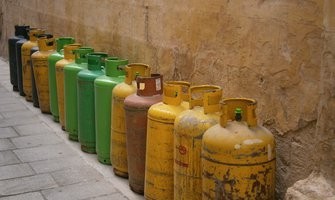
In second place, faulty fuel supplies caused 1,321 workplace fires throughout 2020/21. This refers to several potential culprits, including poorly maintained boilers, inadequate ventilation, and faulty fuel storage tanks.
We’ve found that in particular, the storage of flammable liquids, such as petrol or diesel, can pose a significant risk if not handled correctly.
HOW CAN YOU MINIMISE THIS RISK?
Regular Fire Risk Assessments are ideal for minimising the risks associated with faulty fuel supplies. As a business owner, you have a legal responsibility to ensure that your workforce is adequately protected against the risks of a fire occurring - and Fire Risk Assessments are an integral part of this obligation.
During a Fire Risk Assessment, you’ll take a careful look at your premises to identify potential fire hazards, evaluate and reduce these risks, record your findings, and prepare an emergency plan and training.
3. PLACING ARTICLES TOO CLOSE TO HEAT

The third most common cause of workplace fires is placing things too close to heat sources. This could involve anything from leaving combustible materials, such as paper or cardboard, too close to heaters or radiators to people leaving clothing on heated equipment such as hobs or stoves.
HOW CAN YOU MINIMISE THIS RISK?
Besides providing your workforce and staff with adequate fire safety training, ensuring that your fire alarm systems comply with current Health & Safety regulations is essential to reducing the risks of fire spreading throughout your property. Official recommendations advise businesses to test and service their fire alarms at least twice a year. This should include checking the mains panel, batteries, heat detectors, smoke detectors, break glass units and sirens.
4. MISUSE OF EQUIPMENT OR APPLIANCES
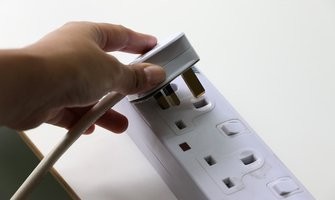
The fourth most common cause of workplace fires in the UK was cited as ‘misuse of equipment or appliances’. This includes anything from overloading power sockets to using equipment for purposes that it was not intended for.
Again, is this a surprise to us? Not at all.
We’ve lost count of the number of occasions we’ve gone into workplaces and seen members of staff misusing electrical equipment. Think about it - how often have you seen colleagues using overloaded plug sockets, extension cables, or frayed wiring?
Common examples of misusing equipment or appliances:
- Failing to clean or service machinery regularly
- Using damaged or frayed electrical cords
- Using equipment designed for indoor use, outdoors
- Overloading power sockets or extension cords
HOW CAN YOU MINIMISE THIS RISK?
The best way to prevent this from happening is to ensure that you sufficiently train your employees on properly using all equipment and appliances. Additionally, it’s a smart idea to check that any warning labels or instructions are clearly visible and easily understood.
5. CARELESS HANDLING OF FIRE OR HOT SUBSTANCES

Finally, we’re brought to the fifth most common cause of workplace fires - careless handling of fire or hot substances.
Whether you’ve got employees smoking in prohibited areas, failing to extinguish cigarettes, or leaving cooking equipment unattended - it’s essential to be aware of the risks these menial actions can have on the safety of your workforce.
HOW CAN YOU MINIMISE THIS RISK?
Again, thorough staff training and regular reminders of the risks associated with fire can be great to motivate employees and ensure they’re taking their individual responsibilities seriously. Additionally, regular Fire Risk Assessments are not only a legal obligation, but they’ll give you the opportunity to discover any areas of your operations that are increasing the likelihood of a fire occurring and spreading.
To conclude, whilst it may seem tedious having to pay attention to the electrical safety and fire preventative measures in your workplace - the cost of not paying attention can be monumental.
Here at Focus On Testing, we take care of the boring stuff - so that you don’t have to. So for any help or guidance on PAT testing requirements or help with your Fire Risk Assessments, save yourself the headache and call us on 0330 088 4597.
' fill='%23cc0935'/%3E%3C/svg%3E)
' fill='%23cc0935'/%3E%3C/svg%3E)